
Start Where You Are
New research from the Running Industry Diversity Coalition and On to understand barriers to movement: Women the movement industry isn’t reaching and what’s actually in their way.
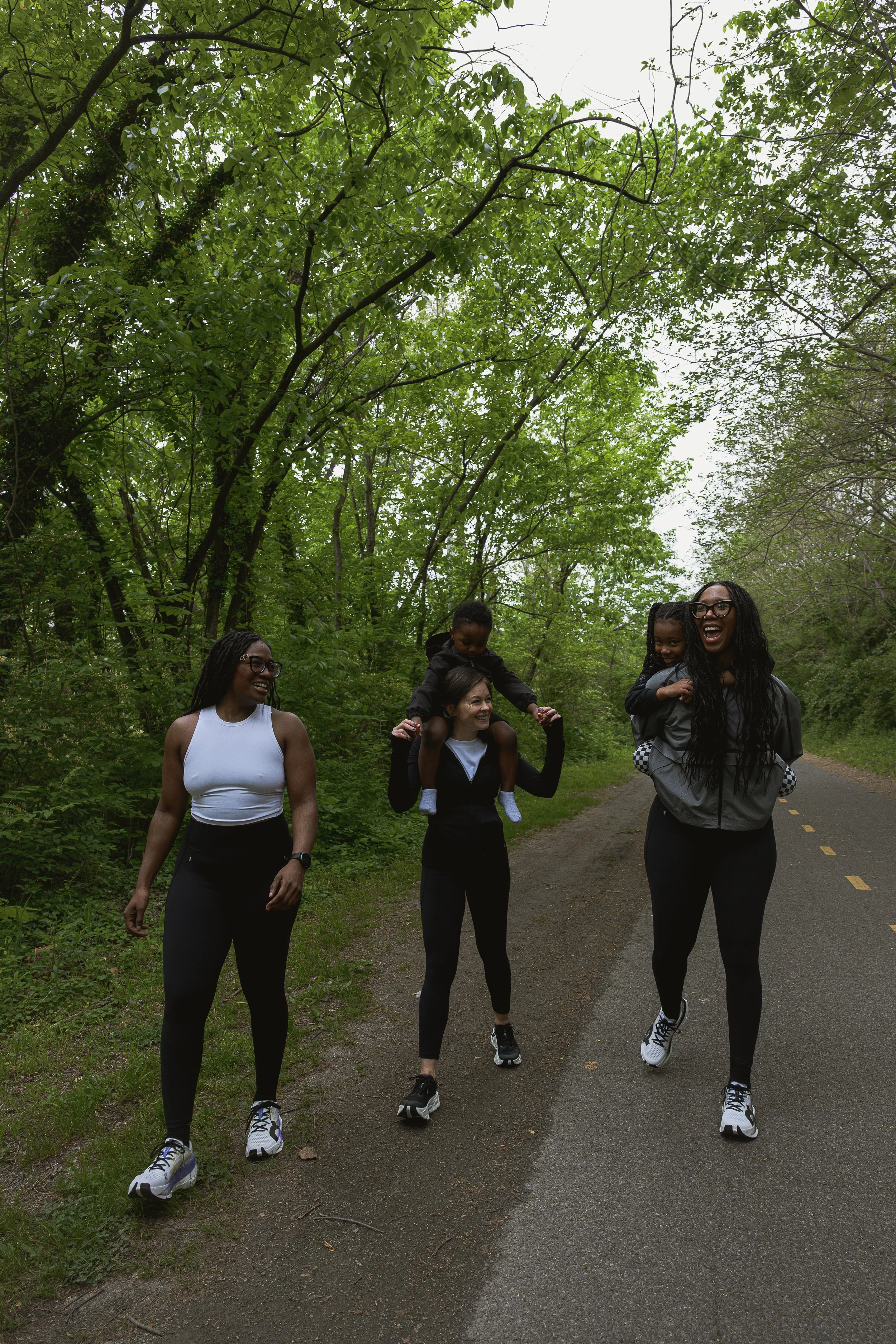
Movement-based activities like running, walking, and hiking have seen rapid growth in participation over the last decade. There’s a catch, though. These activities continue to leave women behind, especially those from multiple underrepresented communities. The numbers tell a similar story. Data collected by RIDC at races, retail stores, events, and running clubs show that the running population is far less diverse than the general population, both globally and nationally. When it comes to movement in general, women have been less active than men for decades. Why?
This collaborative study between the RIDC and On was launched to help answer this question. Rooted in community-centered research, the goal of this project is to provide the running industry with actionable strategies for immediate and long-term change. This project investigates the complex barriers preventing women, particularly Black, Indigenous, People of Color (BIPOC) and first-time participants, from seeing movement-based activities as accessible or welcoming.
We can’t welcome people into movement if we haven’t first helped remove what’s keeping them from being active. A key part of the solution is to shift industry and societal narratives from performance to permission. Coupled with tangible changes in communities and physical spaces, this approach can help dismantle the friction millions face.
About This Study
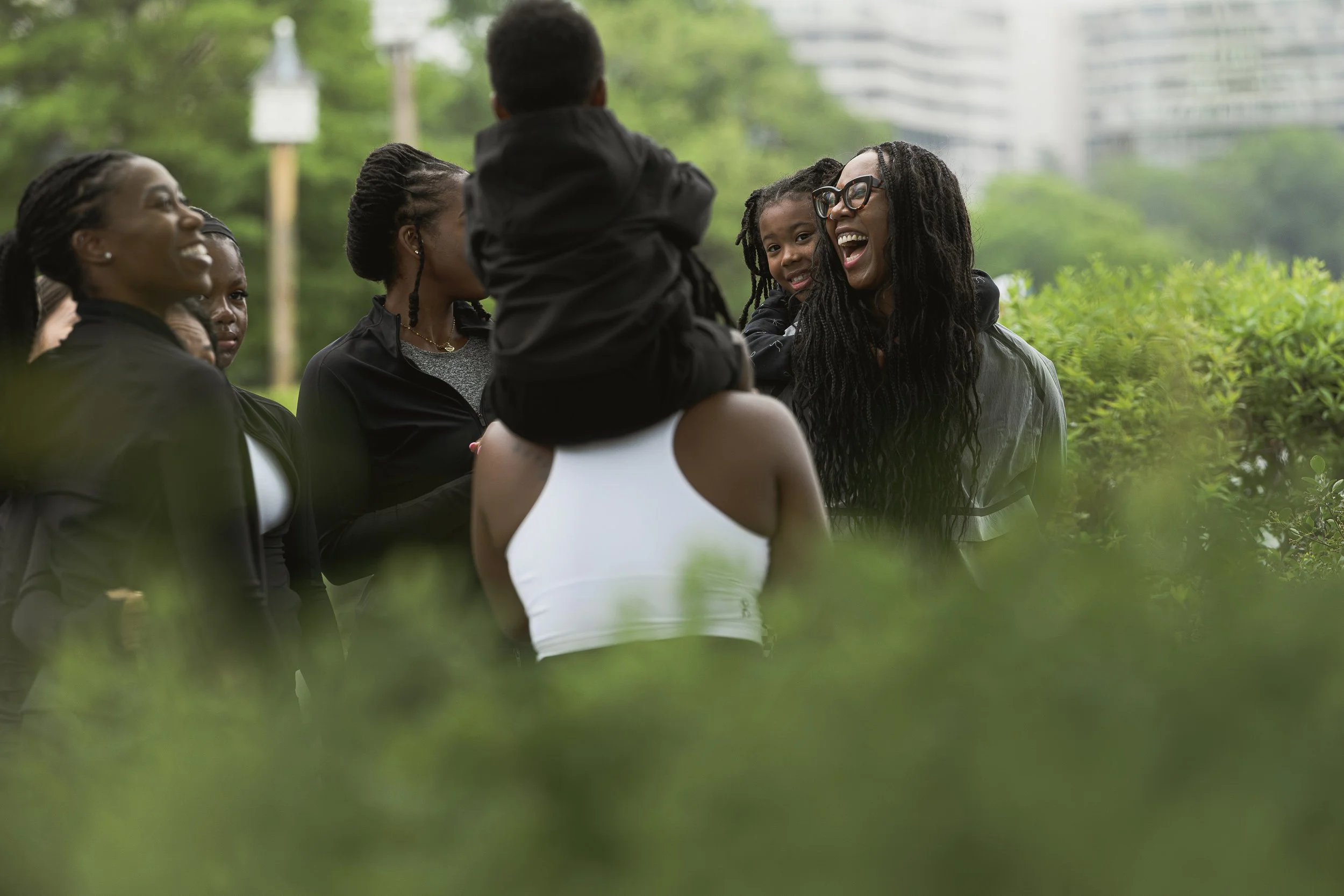
“Women told us they want to move. They also told us what gets in the way. If your local run club meets right when you’re getting your kids ready for bed, you can want to show up every week and still never make it. That’s what we wanted to make clear with Start Where You Are. As an industry, we can change things we already control, from when and where we host group runs to whose stories we tell. That’s how we make it easier for more women to start where they are and keep coming back.”
–Kiera Smalls, Executive Director, Running Industry Diversity Coalition
Barriers Stack
Safety
Concerns about harassment and feeling unsafe in exercise movements
Resources
Practical obstacles like lack of time due to caregiving, cost of gear, and lack of inclusive sizing.
Belonging
Feelings of being unseen, unwelcome, or left behind in group activities and media.
Most common barriers to movement
I worry about being harassed when I exercise (33%)
Caregiving and household responsibilities leave no time to care for myself through exercise (32%)
I only have time to exercise when it’s dark, and that feels unsafe (28%)
I don’t have a group or community with whom I can participate in these activities (24%)
The stories I see and hear make me feel like exercise is not for people like me (24%)
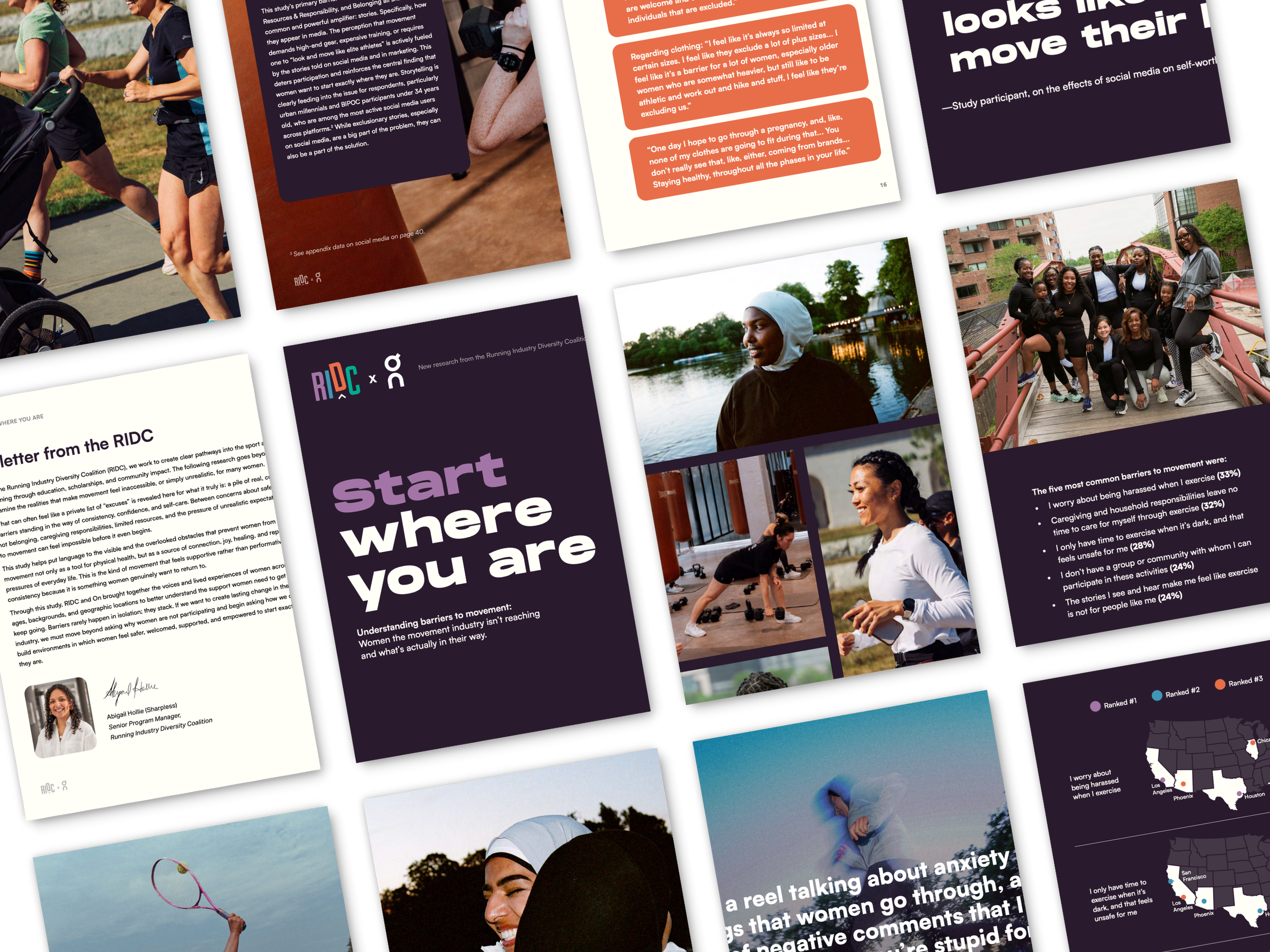
What’s in the report?
Stories from participants and the data behind it
A breakdown of the three biggest barriers
How the barriers are interconnected
How the stories we tell shape who feels welcome
Solutions you can implement
Sign up below to receive a FREE copy of the report!

Keep Up The Pace
Be the first to hear about scholarships, career opportunities, events, and ways to support the future of running from The RIDC!