
Movement For All, powered by On, is all about making movement more accessible, creating meaningful connections, and helping communities thrive. Through the support of passionate coaches, community leaders, and partners, we're creating spaces where participants can build confidence, discover new possibilities, and feel supported throughout their movement journeys.
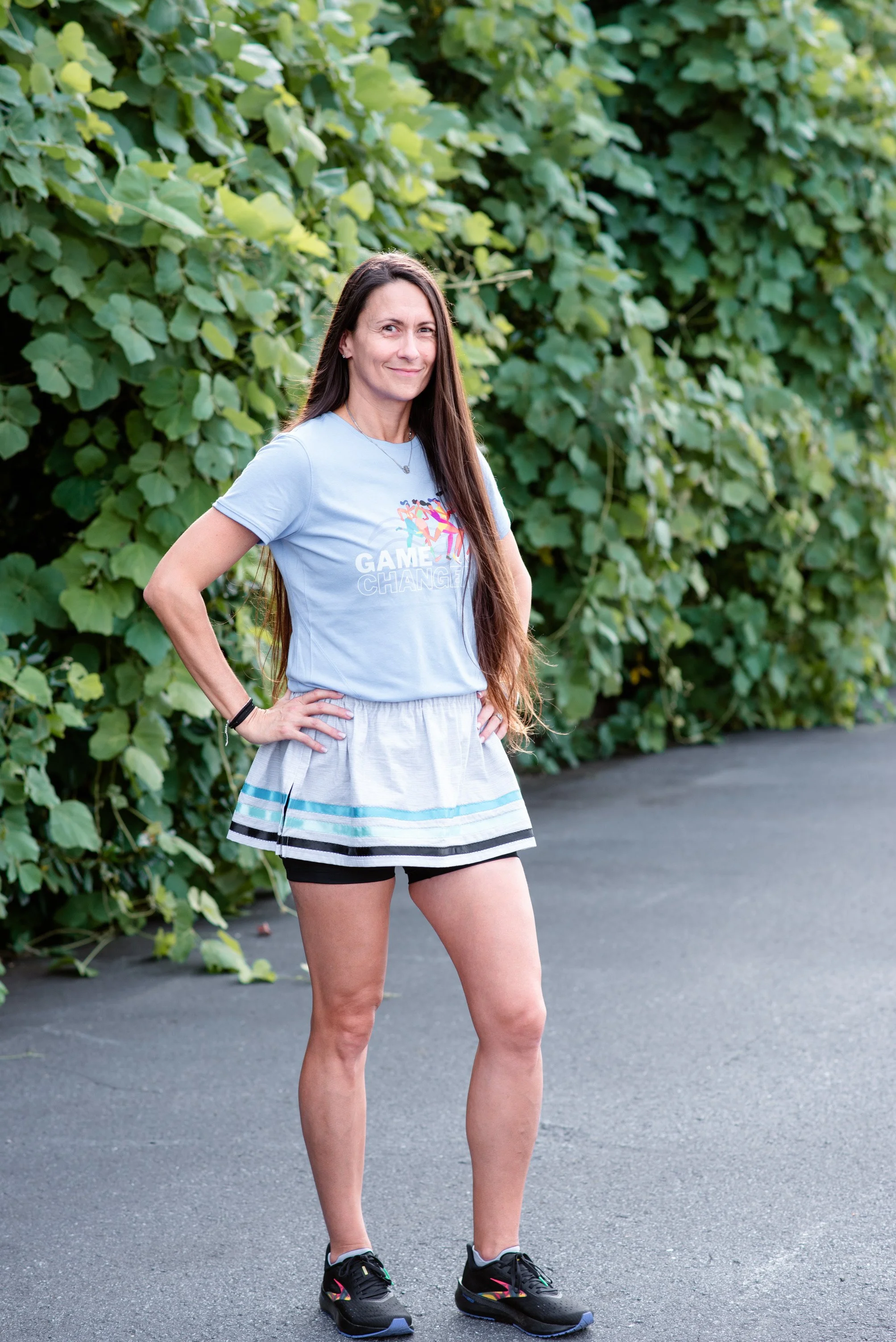
Meet Coach Becky Croft, our latest Movement For All vendor spotlight! Coach Croft is passionate about empowering Masters athletes and women navigating perimenopause and menopause to thrive in their training. Through personalized coaching and training plans, she helps athletes build confidence, embrace their strength, and reach their goals at every stage of life.
Here’s a bit more about her approach to training, and why we're excited to have her as part of the Movement For All community!
RIDC: How did you get started in the movement space? What motivated you to start your career in this industry?
Coach Croft: I came into coaching through my own experience as an athlete. I started running later in life and eventually found my way to the marathon, but one of the biggest influences on the coach I became actually happened outside of running. I went into surgical menopause in 2016 while I was still a younger athlete, and there were very few resources available to help me understand what that meant for training, recovery, strength, or simply feeling at home in a body that was suddenly operating differently.
That experience sent me down a rabbit hole that eventually became part of my career. I became an RRCA certified run coach through the Game Changers program, a running form instructor, and a menopause strength coach because I wanted athletes to have access to information and support I hadn't been able to find for myself. As an Indigenous woman, I was also very aware of who I did and didn't see represented in endurance sports and the fitness industry. Over time, my own experiences became less about finding a place for myself within the existing model and more about helping create a movement space where more people could see themselves belonging.
RIDC: What motivated you to start your career in this industry?
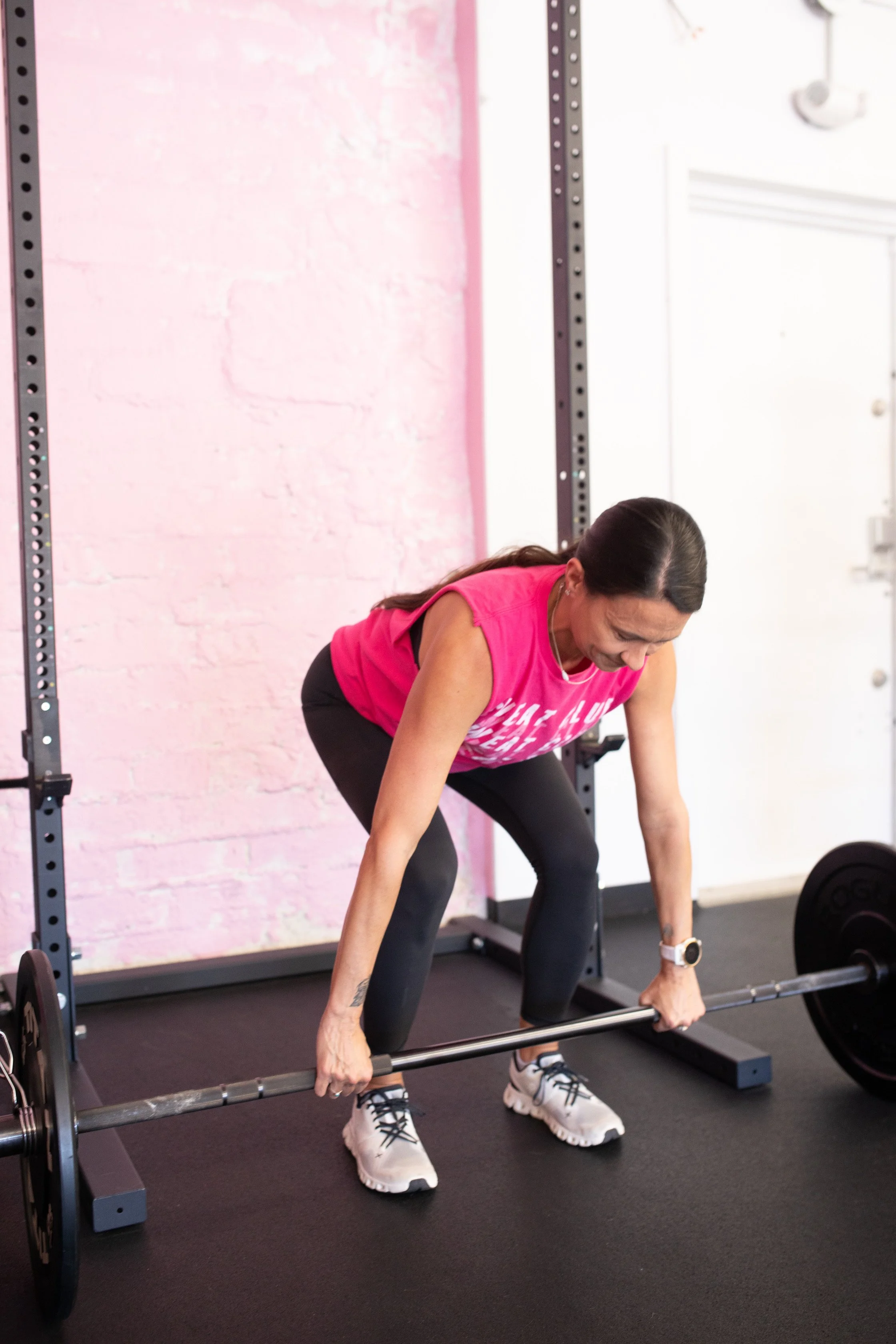
Coach Croft: I see my role as much more than giving someone workouts and telling them how many miles to run or how many reps to lift. I want athletes to understand what we're doing, why we're doing it, and how to make decisions about their training as their bodies and lives change. There is no single version of what an athlete is supposed to look like, how fast they need to be, how old they can be, or where they need to start.
A lot of my work is with Masters and menopausal athletes, but that has reinforced something I think applies to everyone: training has to be able to coexist with being a human. Bodies change. Careers, families, health, stress, access, and priorities change. I want the athletes I work with to build strength, durability, confidence, and enough understanding of themselves that movement can remain part of their lives through all of those seasons. The finish lines are fun, but helping someone develop that kind of autonomy and trust in themselves has a much longer lifespan than any race result.
RIDC: What has being part of our Movement For All program meant to your business?
Coach Croft: Movement for All aligns with something I've believed for a long time: telling people they're welcome in movement spaces doesn't automatically make those spaces accessible. Cost, representation, geography, knowledge, equipment, previous experiences, and simply knowing where to begin can all become barriers before someone ever gets to the starting line.
As a small coaching business, being part of Movement for All has allowed me to work with athletes who may not otherwise have had access to individualized coaching and to meet them wherever they're starting. I've loved watching each athlete make the program their own rather than trying to fit everyone into one definition of success. Some of the most meaningful progress isn't something that will ever appear on a race clock. It's someone becoming more consistent, learning to listen to their body, getting stronger, trying something they didn't think was for them, or beginning to see themselves as an athlete.
There is also something very full-circle about participating in this program. Part of the reason I became a coach is because I knew what it felt like to need information, representation, and support that wasn't readily available to me. Movement for All gives me an opportunity to help make some of those resources more accessible to someone else, and I hope programs like this continue pushing the movement industry toward thinking much more broadly about what meaningful access actually looks like.
Click here to learn more about Movement For All, Powered by On and to join our 2027 waitlist!